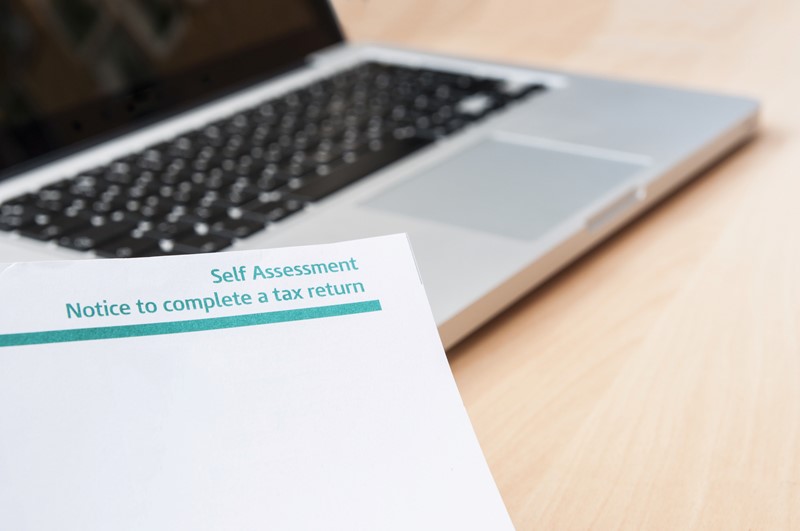
There are several reasons why you might need to file a self-assessment tax return. This could apply if you are self-employed, a company director, have an annual income over £150,000, or receive income from savings, investments or property.
You must file a self-assessment tax return if any of the following apply to you during the tax year:
- You were self-employed as a sole trader and earned more than £1,000 (before expenses).
- You were a partner in a business partnership.
- Your total taxable income exceeded £150,000 in the 2025–26 tax year. However, even if your income is below £150,000, other factors (such as rental income or capital gains) may still mean you need to file a self-assessment return.
- You had to pay Capital Gains Tax on the sale or disposal of assets.
- You were liable for the High Income Child Benefit Charge.
- You had other sources of untaxed income, such as:
o Rental income from property
o Tips or commission
o Savings and investment income (including dividends)
o Foreign income
If you are filing a self-assessment return for the first time, you must notify HMRC by 5 October following the end of the tax year. For the 2025–26 tax year (ending 5 April 2026), this means the registration deadline is 5 October 2026.
HMRC provides a helpful online tool to check whether you need to submit a self-assessment return: www.gov.uk/check-if-you-need-tax-return.
Source:HM Revenue & Customs | 15-02-2026